01 · WHAT EXACTLY IS IT?
Product role
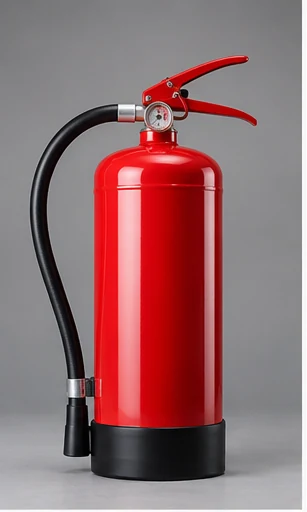
A portable extinguisher stores an extinguishing agent under pressure so a trained person can tackle a small fire in its early stage while maintaining a safe escape path.
02 · HOW DOES IT WORK?
Functionality
When operated, the stored agent is discharged through the hose/nozzle and directed at the base of the fire. The correct agent matters because different fuels and electrical risks behave differently.
03 · COMMON TYPES
Product family
- ABC dry powder – broad general-purpose coverage
- CO₂ – commonly used where electrical equipment is a concern
- Water / foam – selected for suitable combustible-liquid / solid-fuel risks
- Wet chemical – commercial cooking-oil hazards
- Clean-agent / specialised types – selected where residue or equipment sensitivity matters
04 · WHERE IS IT USED?
Typical applications
- Offices and retail
- Warehouses and factories
- Vehicles and workshops
- Electrical / control areas
- Commercial kitchens – with correct extinguisher type
05 · SELECTION / SPECIFICATION
What should be checked?
- Fire class / hazard present
- Capacity and travel distance
- Electrical risk and residue sensitivity
- Operating temperature / environment
- Applicable certification / approval and serviceability
06 · MAINTENANCE
Keep it ready
- Keep accessible and clearly marked
- Check pressure / seal / hose / body condition
- Record inspection and service status
- Refill or replace after discharge
- Periodic maintenance / hydrostatic testing as required by applicable standard and manufacturer guidance
IMPORTANT
Fire products should be selected as part of the risk and system — not by image alone.
Brand, certification, capacity, pressure, agent, hydraulic duty, device protocol, environmental rating and statutory requirements can change by project. We can help organise the requirement and quotation, but the final design/specification must follow the applicable code, approved drawings and competent professional / authority requirements.